
What insurance paneling means for a therapy practice
Insurance paneling is the process of becoming an in-network provider with a health plan. It is the commercial-payer side of credentialing: the plan reviews your license, education, work history and malpractice coverage, then adds you to its network under a signed contract and fee schedule.
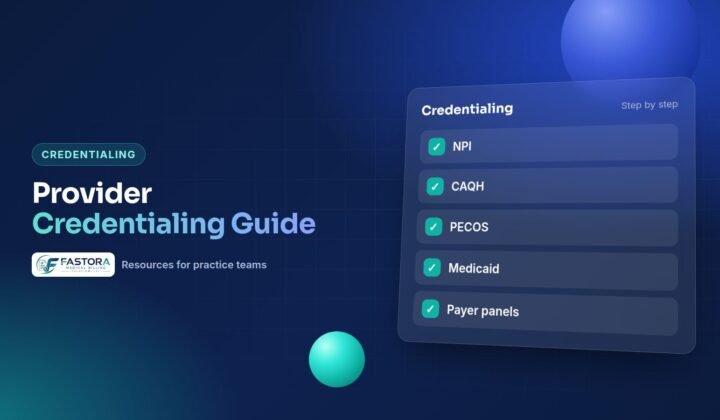
Paneling decides whether you can bill the plan as an in-network provider and at what rate. Our provider credentialing guide covers the full process, and credentialing and enrollment services explains how Fastora handles applications for practices.
Choose which panels to join first
Start with the plans your referral sources and prospective clients ask about most, and the plans that already cover a large share of your local market. Check whether each panel is open to your license type in your county; some plans close panels by specialty or geography and keep a waitlist.
Ask each payer for its contracted rate for your most common codes before you sign. A panel that pays well below your cost to deliver care may still be worth joining for volume, but that should be a deliberate decision. Our guide to how much credentialing costs explains the fees involved.
Prepare your documents before you apply
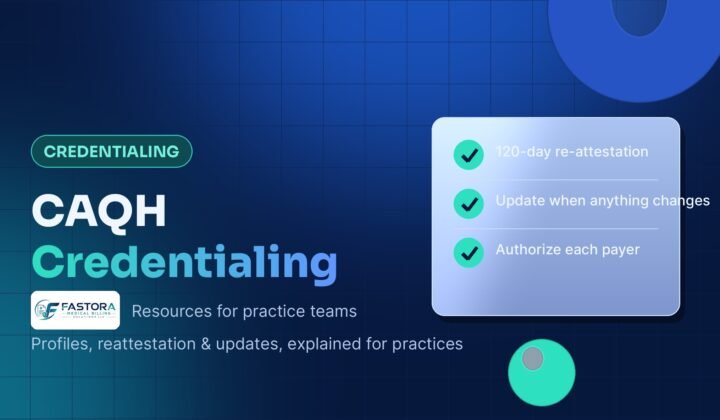
Most applications run through CAQH ProView. Complete every field, upload a current license, DEA registration if you prescribe, malpractice certificate and W-9, then attest. Incomplete CAQH profiles are the most common reason applications stall.
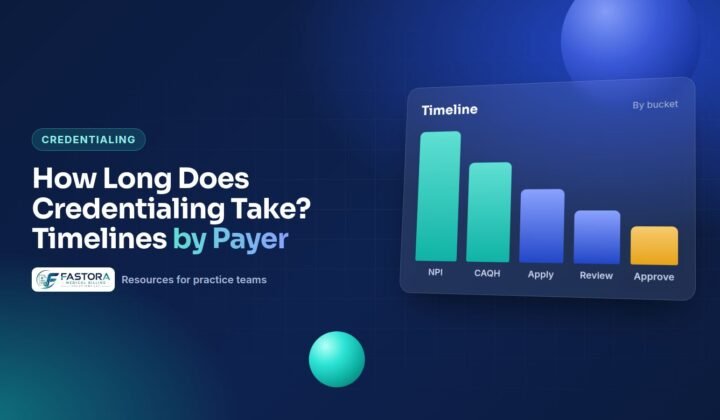
Keep a single folder with these documents and their expiry dates. When a payer asks for the same information in its own portal, work from that folder so names, addresses and taxonomy codes match everywhere. See how long credentialing takes for realistic timelines by payer.
Apply, track and follow up
Submit applications in a planned order, log the date, reference number and contact for each, and follow up on a fixed schedule. Payers lose documents; a dated log turns a vague delay into a specific request you can answer the same day.
While applications are pending, be careful about seeing plan members. Some payers date contracts from approval and will not pay for earlier sessions. Our article on billing for out-of-network therapists covers the options in the meantime.
After you are paneled
Confirm your effective date, contracted rates and billing requirements in writing, and load them into your practice system before the first in-network session. Verify benefits for each new client through eligibility verification, because panel participation does not guarantee a specific client's coverage.
Therapists who want the enrollment handled for them can start with our mental health credentialing guide or ask about credentialing services for therapy practices.
If you also accept EAP referrals, keep in mind that EAPs run their own networks and billing rules – see how EAP sessions are billed for therapists.
Frequently asked questions
How long does it take to get on an insurance panel?
Most commercial panels take roughly 60 to 120 days from a complete application, and some take longer. A complete CAQH profile and prompt responses to payer requests keep you at the shorter end of that range.
Can I see a plan's members while my application is pending?
You can, but the plan may not pay for sessions before your contract effective date. Confirm the payer's policy in writing, or treat the client as out-of-network or self-pay with clear written agreement.
What if a panel is closed?
Ask to join the waitlist, document the response, and re-check periodically. Some payers reopen panels by specialty or county during the year, and existing group contracts may offer another route in.
1 comment